
PDE Biology
Cyclic nucleotide phosphodiesterases (PDEs) are important drug targets with unique tissue distribution and functional properties. This family of enzymes is key in the regulation of cyclic nucleotide second messenger levels because they degrade both cAMP and cGMP. Some PDEs hydrolyze both cAMP and cGMP, while others are either cAMP or cGMP hydrolases. Selective PDE inhibitors block the activity of specific PDEs and are used to treat a variety of diseases. Non-selective PDE inhibitors include IBMX and caffeine, both of which are important consumables in basic research laboratories.
Detecting cAMP
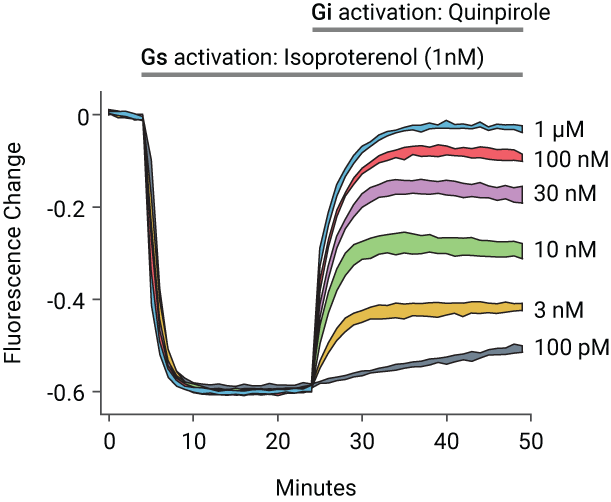
cAMP response to isoproterenol followed by inhibition of cAMP production with quinpirole. Detected with the cADDis cAMP assay.
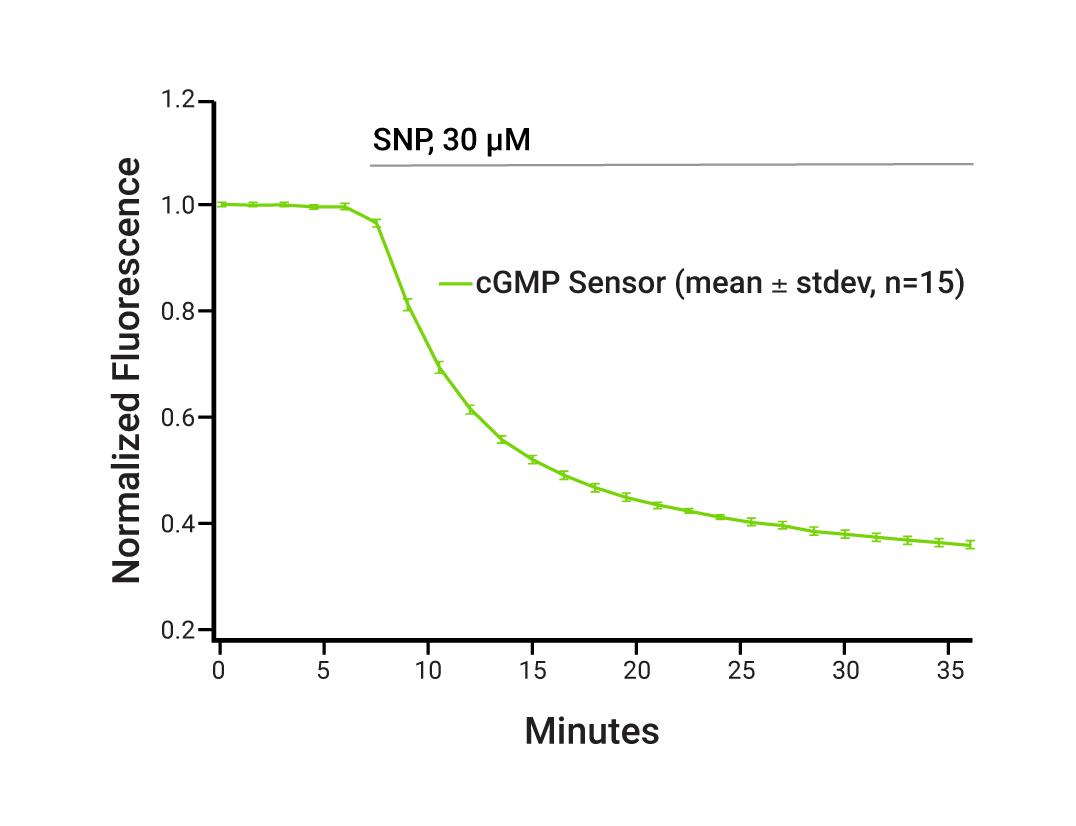
PDE Selectivity Assay
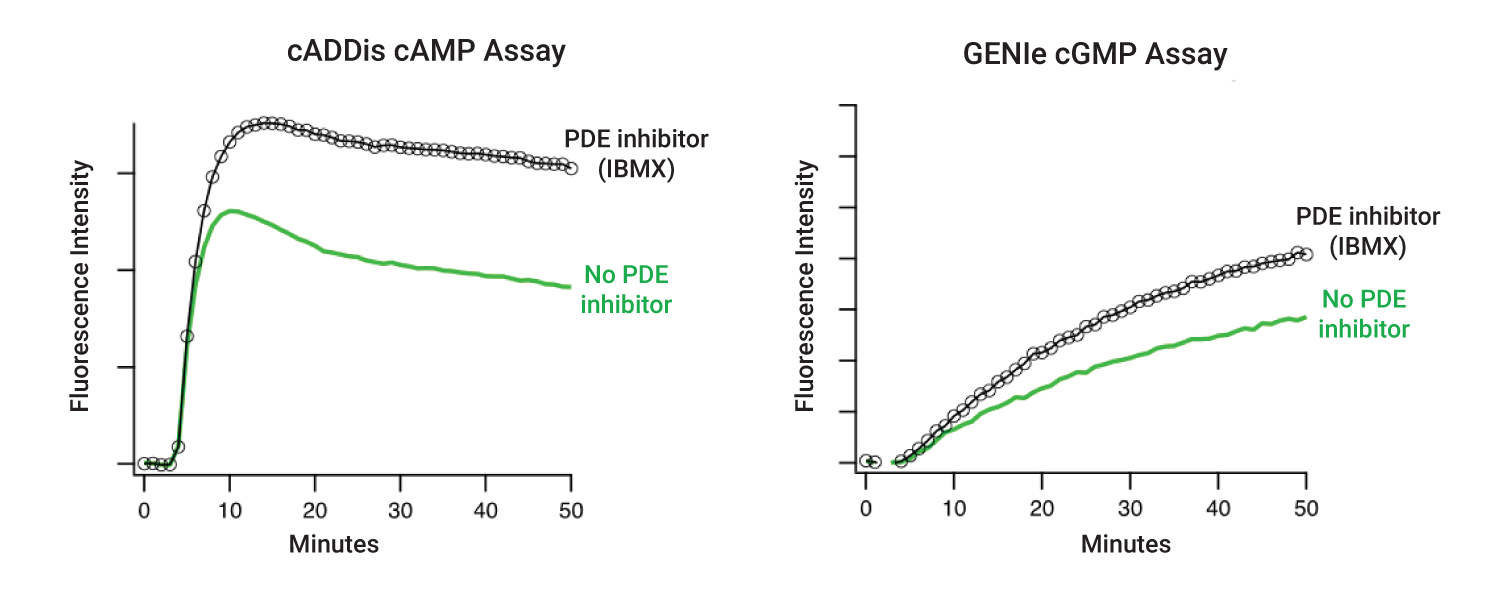
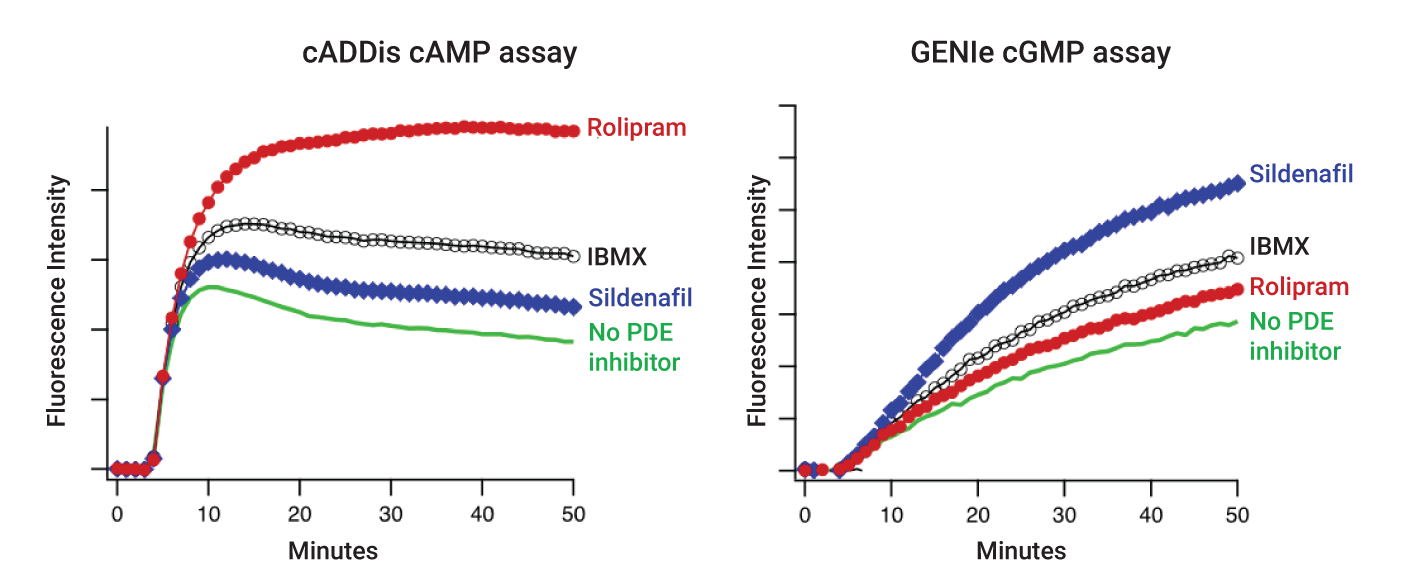
An Optogenetic Tool for Monitoring PDE Rates
The blue-light activated adenylyl cyclase bPAC (#V0100N) can be co-expressed with R-cADDis (#U0200R), a red fluorescent biosensor for cAMP. A two second pulse of blue light activates bPAC to stimulate cAMP production. cAMP degradation by PDE is monitored in real time using R-cADDis. Read about how this method can be used to study the role of PDE activity in neurodegeneration: Live-Cell Assays for Cell Stress Responses Reveal New Patterns of Cell Signaling Caused by Mutations in Rhodopsin, α-Synuclein and TDP-43.


Simple Protocol
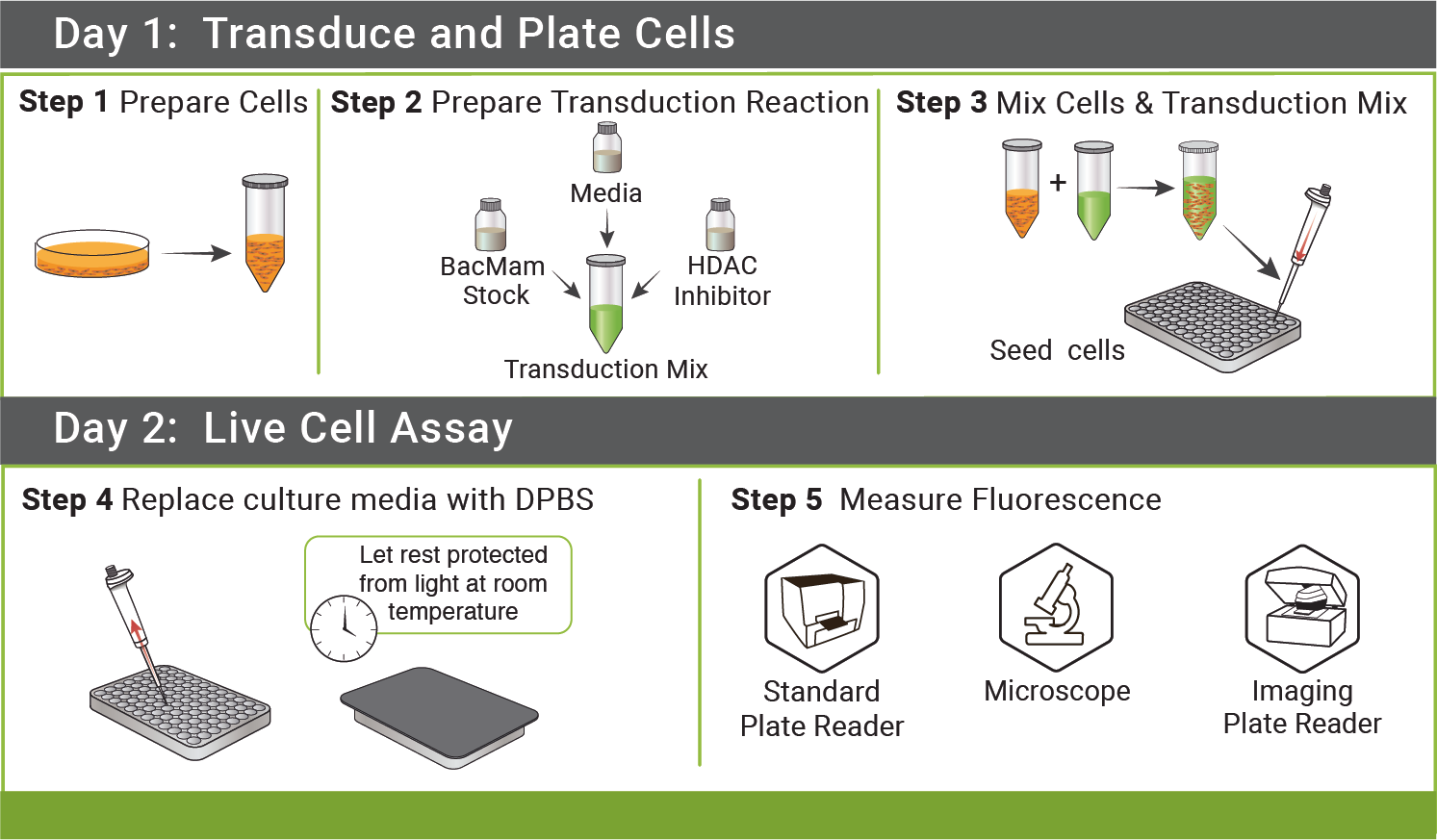
Simple, step-by-step protocols for optimizing cAMP and cGMP assays are available online. These assays are non-FRET and cell lysis, enzymes, and co-factors are not necessary. Add our sensors to your cells, incubate, add drug, and measure fluorescence changes.
Sound Intriguing? Get more details on our PDE Biology Assays:
cADDis cAMP Assay
GENIe cGMP Assay
bPAC in BacMam
Recent Publications
- N. Annamdevula, et al. Combined excitation scan-based hyperspectral imaging and digital deconvolution for the assessment of the kinetic and spatial distributions of cAMP signals. SPIE. March 2026.
- G. Toro-Tapia, et al. Ciliary cAMP regulates Shh signal interpretation to drive polarisation of differentiating neurons. bioRxiv. March 2026.
- B. Wysolmerski, et al. Conformational biosensors delineate endosomal G protein regulation by GPCRs. Nature Communications. February 2026.
- L. El Eid, et al. In vivo functional profiling and structural characterization of the human GLP1R A316T variant. Science Advances. February 2026.
- E. Blythe, et al. GPCR-selective effects of endocytosis on cellular signaling through the cAMP / PKA cascade. Journal of Biological Chemistry. February 2026.
- H. Hamzeh, et al. Deciphering Rapid Cell Signaling and Control of Cell Motility by Reverse Opto-Chemical Engineering. PRX Life. February 2026.
- HD Tran, et al. Modelling G protein-biased agonism using GLP-1 receptor C-terminal mutations. Molecular Metabolism. January 2026.
- R. Gao, et al. Antecedent hypoglycaemia impairs glucagon secretion by enhancing somatostatin-mediated negative feedback control. Nature Metabolism. January 2026.
- I. Davies, et al. A metabolic comparison of GIPR agonism versus GIPR antagonism in male mice. Diabetes, Obesity, and Metabolism. January 2026.
- G. Austin, et al. GLP-1R associates with VAPB and SPHKAP at ERMCSs to regulate β-cell mitochondrial remodelling and function. Nature Communications. December 2025.
- S. Chen, et al. Spatially diffuse cAMP signalling with oppositely biased GLP-1 receptor agonists in β-cells despite differences in receptor localisation. Molecular Metabolism. December 2025.
- M. Dickerson, et al. Glycolytic activation of β-cell Na+/K+-ATPases containing β1-subunits accelerates Na+ extrusion, prolonging the duration of Ca2+ oscillations but decreasing insulin secretion. Molecular Metabolism. December 2025.
- S. Orfanos, et al. The differential effects of cAMP mobilizing agents on TGF-β-induced extracellular matrix in human lung-derived fibroblasts: insights into therapeutic targets for lung fibrosis. Respiratory Research. November 2025.
- Y. Manchada, et al. Glucagon-like peptide-1 receptor C-terminal tail phosphorylation determines signalling responses from pancreatic β-cells. bioRxiv. November 2025.
- C. Metrick, et al. GPR17 structure and agonism with small molecules and oxysterols. bioRxiv. November 2025.
- S. Zervou, et al. Effect of whole-body creatine-deficiency on secretion of insulin and glucagon from isolated mouse islets. SSRN. October 2025.
- Mark Lee & Keren Hilgendorf. Prostaglandin E2 inhibits adipogenesis through the cilia-dependent activation of ROCK2. Journal of Cell Science. September 2025.
- R. Nassini, et al. Targeting prostaglandin E2 receptor 2 in Schwann cells inhibits inflammatory pain but not inflammation. Nature Communications. September 2025.
- Tatsuru Togo. Disruption of the cell membrane triggers Ca2+ mobilization using P2Y receptors and subsequent cAMP synthesis in cells surrounding wounded MDCK cells. Biochemical and Biophysical Research Communications. September 2025.
- C. Sturaro, et al. Activation of peripheral NOP receptors reduces periorbital mechanical allodynia evoked by CGRP in mice. British Journal of Pharmacology. August 2025.
- T. Cacciottolo, et al. Glucagon Receptor Deficiency Causes Early-Onset Hepatic Steatosis. Diabetes. August 2025.
- J. Chadwick, et al. Dietary-dependent sensitization of neuronal leptin signaling promotes neural repair after injury via cAMP and gene transcription. Neuron. August 2025.
- K. Berger, et al. Design of a peripherally biased NPSR1 antagonist for neuropeptide S induced inflammation. Bioorganic & Medicinal Chemistry Letters. August 2025.
- C. Gao, et al. Semaglutide drives weight loss through cAMP-dependent mechanisms in GLP1R-expressing hindbrain neurons. bioRxiv. August 2025.
- Y. Manchanda, et al. Glycaemic and bodyweight effects of GIPR coding variation reflect differences in both surface expression and intrinsic functional impairment. medRxiv. August 2025.
- S. Orfanos, et al. The differential effects of cAMP mobilizing agents on TGF-β-induced extracellular matrix in human lung-derived fibroblasts: Insights into therapeutic targets for lung fibrosis. Research Square. August 2025.
- N. Saito, et al. Activation of G protein-coupled parathyroid hormone receptors in rat incisor odontoblasts promotes mineralization via cyclic adenosine monophosphate, not Ca2+ signalling: In vitro study. International Endodontic Journal. July 2025.
- M. Merz, et al. Downstream Signaling of Muscarinic M4 Receptors Is Regulated by Receptor Density and Cellular Environment. Pharmacology Research & Perspectives. May 2025.
- B. Wysolmerski, et al. Conformational biosensors delineate endosomal G protein regulation by GPCRs. bioRxiv. May 2025.
- Paul G. DeCaen & Louise F. Kimura. Methods to Assess Neuronal Primary Cilia Electrochemical Signaling. Journal of Cellular Physiology. April 2025.
- A. Oqua, et al. Molecular mapping and functional validation of GLP-1R cholesterol binding sites in pancreatic beta cells. eLife. April 2025. (bioRxiv)
- L. Coassolo, et al. Prohormone cleavage prediction uncovers a non-incretin anti-obesity peptide. Nature. March 2025.
- R. Schuck, et al. Cholesterol inhibits assembly and oncogenic activation of the EphA2 receptor. Nature Communications Biology. March 2025. (bioRxiv)
- H. Haddad, et al. Hypothalamic opsin 3 suppresses MC4R signaling and potentiates Kir7.1 to promote food consumption. PNAS. February 2025.
- E. Blythe, et al. Endocytosis sculpts distinct cAMP signal transduction by endogenously coexpressed GPCRs. bioRxiv preprint. February 2025.
- S. Orfanos, et al. The differential effects of cAMP mobilizing agents on inhibition of TGF-β-induced extracellular matrix and growth factor expression in human lung fibroblasts. Authorea. February 2025.
- G. Austin, et al. GLP-1R associates with VAPB and SPHKAP at ERMCSs to regulate β-cell mitochondrial remodelling and function. bioRxiv. February 2025.
- A. Klein, et al. Inhibition of adenylyl cyclase 1 (AC1) and exchange protein directly activated by cAMP (EPAC) restores ATP-sensitive potassium (KATP) channel activity after chronic opioid exposure. bioRxiv. February 2025.
- I. Davies, et al. Chronic GIPR agonism results in pancreatic islet GIPR functional desensitisation. Molecular Metabolism. January 2025.
- J. Enriquez-Traba, et al. Dissociable control of motivation and reinforcement by distinct ventral striatal dopamine receptors. Nature Neuroscience. December 2024.
- N. Patel, et al. Myosin VI drives arrestin-independent internalization and signaling of GPCRs. Nature Communications. December 2024.
- C. Bonner, et al. Metabolic State Determines Central and Peripheral Mechanisms of Liraglutide-Enhanced Insulin Secretion. Research Square. December 2024.
- X. Tian, et al. Melanocortin 1 receptor mediates melanin production by interacting with the BBSome in primary cilia. PLOS Biology. December 2024.
- M. Kimura, et al. Intracellular cAMP signaling-induced Ca2+ influx mediated by calcium homeostasis modulator 1 (CALHM1) in human odontoblasts. European Journal of Physiology. November 2024.
- A. Ali, et al. Comparative Effects of GLP-1 and GLP-2 on Beta-Cell Function, Glucose Homeostasis and Appetite Regulation. Biomolecules. November 2024.
- S. Zhang, et al. Stochastic neuropeptide signals compete to calibrate the rate of satiation. Nature. November 2024. (bioRxiv)
- A. Hamilton, et al. Nicotinic signaling stimulates glucagon secretion in mouse and human pancreatic α-cells. Diabetes. October 2024.
- LE Eid, et al. In vivo functional profiling and structural characterisation of the human Glp1r A316T variant. bioRxiv. October 2024.
- L. Ripoll, et al. Spatial organization of adenylyl cyclase and its impact on dopamine signaling in neurons. Nature Communications. September 2024.
- R. Nassini, et al. Targeting the Schwann Cell EP2/cAMP Nanodomain to Block Pain but not Inflammation. bioRxiv. September 2024.
- S. Maghsoudi, et al. Adenylyl Cyclase Isoform 6 in the Pulmonary Artery Is Inhibited by Hypoxia via Cysteine Nitrosylation. American Journal of Respiratory Cell and Molecular Biology. August 2024.
- Y. Manchange, et al. Engineered mini-G proteins block the internalization of cognate GPCRs and disrupt downstream intracellular signaling. Science Signaling. July 2024.
- S. Shi, et al. A high-affinity, cis-on photoswitchable beta blocker to optically control β2-adrenergic receptors in vitro and in vivo. Biochemical Pharmacology. June 2024.
- S. Ansari, et al. Sonic Hedgehog activates prostaglandin signaling to stabilize primary cilium length. Journal of Cell Biology. June 2024.
- X. Chen, et al. A PACAP-activated network for secretion requires coordination of Ca2+ influx and Ca2+ mobilization. Molecular Biology of the Cell. May 2024. (bioRxiv)
- S. Acreman, et al. The endoplasmic reticulum plays a key role in α-cell intracellular Ca2+ dynamics and glucose-regulated glucagon secretion in mouse islets. iScience. May 2024.
- L. Bridge, et al. Computational modelling of dynamic cAMP responses to GPCR agonists for exploration of GLP-1R ligand effects in pancreatic β-cells and neurons. Cellular Signaling, April 2024.
- R. Fagan, et al. Selective targeting of mu opioid receptors to primary cilia. Cell Reports. April 2024.
- I. Cattani-Cavalieri, et al. Real-Time cAMP Dynamics in Live Cells Using the Fluorescent cAMP Difference Detector In Situ. Journal of Visualized Experiments. March 2024.
- B. Polacco, et al. Profiling the proximal proteome of the activated μ-opioid receptor. nature chemical biology. March 2024.
- P. Balraj, et al. Kisspeptin/KISS1R Signaling Modulates Human Airway Smooth Muscle Cell Migration. American Journal of Respiratory Cell and Molecular Biology. March 2024.
- J. Xu, et al. An evolutionarily conserved olfactory receptor is required for sex differences in blood pressure. Science Advances. March 2024 (bioRxiv)
- J. Alvarado et al. Transient cAMP production drives rapid and sustained spiking in brainstem parabrachial neurons to suppress feeding. Neuron. February 2024. (bioRxiv)
- H. Hamzeh, et al. Deciphering rapid cell signaling and control of cell motility by reverse opto-chemical engineering. bioRxiv. February 2024.
- N. Philip. Fatty acid metabolism promotes TRPV4 activity in lung microvascular endothelial cells in pulmonary arterial hypertension. Lung Cellular and Molecular Physiology. January 2024.
- L. Ripoll & M. von Zastrow. Spatial organization of adenylyl cyclase and its impact on dopamine signaling in neurons. bioRxiv. December 2023.
- T. Richardson, Y. Pettway, et al. Human Pseudoislet System for Synchronous Assessment of Fluorescent Biosensor Dynamics and Hormone Secretory Profiles. Journal of Visualized Experiments. November 2023.
- C. Hinds, et al. Abolishing β-arrestin recruitment is necessary for the full metabolic benefits of G protein-biased glucagon-like peptide-1 receptor agonists. Diabetes, Obesity and Metabolism. October 2023.
- E. Blythe & M. von Zastrow. β-Arrestin-
independent endosomal cAMP signaling by a polypeptide hormone GPCR. Nature Chemical Biology. September 2023. - R. Matt, et al. Fingerprinting heterocellular β-adrenoceptor functional expression in the brain using agonist activity profiles. Frontiers in Molecular Biosciences. August 2023.
- Y. Kunioku, et al. Intracellular cAMP Signaling Pathway via Gs Protein-Coupled Receptor Activation in Rat Primary Cultured Trigeminal Ganglion Cells. Biomedicines. August 2023.
- K.M. Semesta, et al. The psychosis risk factor RBM12 encodes a novel repressor of GPCR/cAMP signal transduction. Journal of Biological Chemistry. August 2023.
- Y.J. Peng, et al. Hypoxia sensing requires H2S-dependent persulfidation of olfactory receptor 78. Science Advances. July 2023.
- E. Kitayama, et al. Functional Expression of IP, 5-HT4, D1, A2A, and VIP Receptors in Human Odontoblast Cell Line. Biomolecules. May 2023.
- D. Santana Nunez, et al. Piezo1 induces endothelial responses to shear stress via soluble adenylyl Cyclase-IP3R2 circuit. iScience. May 2023.
- S. Bitsi, et al. Divergent acute versus prolonged pharmacological GLP-1R responses in adult β cell–specific β-arrestin 2 knockout mice. Science Advances. May 2023.
- V. Bhatia, et al. Characterization of Adenylyl Cyclase Isoform 6 Residues Interacting with Forskolin. Biology. April 2023.
- H. Carr, et al. The Wnt pathway protein Dvl1 targets Somatostatin receptor 2 for lysosome-dependent degradation. Journal of Biological Chemistry. March 2023.
- I. Cattani-Cavalieri, et al. Quantitative phosphoproteomic analysis reveals unique cAMP signaling pools emanating from AC2 and AC6 in human airway smooth muscle cells. Frontiers in Physiology. February 2023.
- E. Porpiglia, et al. Elevated CD47 is a hallmark of dysfunctional aged muscle stem cells that can be targeted to augment regeneration. Cell Stem Cell. December 2022. (bioRxiv)
- J. Janetzko, et al. Membrane phosphoinositides regulate GPCR-β-arrestin complex assembly and dynamics. Cell. November 2022.
- N. Saito, et al. Gαs-Coupled CGRP Receptor Signaling Axis from the Trigeminal Ganglion Neuron to Odontoblast Negatively Regulates Dentin Mineralization. biomolecules. November 2022.
- B. Barsi-Rhyne, et al. Discrete GPCR-triggered endocytic modes enable β-arrestins to flexibly regulate cell signaling. eLife. October 2022. (bioRxiv)
- S. A. Dai, et al. State-selective modulation of heterotrimeric Gαs signaling with macrocyclic peptides. Cell. September 2022.
- J. H. Cho, et al. Islet primary cilia motility controls insulin secretion. Science Advances. September 2022. (bioRxiv)
- E. Blythe, M. von Zastrow. A discrete mode of endosomal GPCR signaling that does not require β-arrestins. bioRxiv. September 2022.
- ER McGlone, et al. Hepatocyte cholesterol content modulates glucagon receptor signaling. Molecular Metabolism. September 2022.
- J. Xu, J. Pluznick. Key amino acids alter activity and trafficking of a well-conserved olfactory receptor. Cell Physiology. June 2022.
- C. Zhang, et al. A brainstem circuit for nausea suppression. Cell Reports. June 2022.
- J. Hansen, et al. A cAMP signalosome in primary cilia drives gene expression and kidney cyst formation. EMBO Reports. June 2022.
- S. Ansari, et al. Morphogen Directed Coordination of GPCR Activity Promotes Primary Cilium Function for Downstream Signaling. bioRxiv. May 2022.
- S. Bitsi, et al. Divergent acute versus prolonged in vivo GLP-1R responses in β-arrestin 2-deleted primary beta cells. bioRxiv. April 2022.
- Y. Mizobuchi, et al. Ketamine Improves Desensitization of μ-Opioid Receptors Induced by Repeated Treatment with Fentanyl but Not with Morphine. biomolecules. March 2022.
- B. Polacco, et al. Profiling the diversity of agonist-selective effects on the proximal proteome environment of G protein-coupled receptors. bioRxiv. March 2022.
- D. Lovinger, et al. Local modulation by presynaptic receptors controls neuronal communication and behavior. Nature Reviews Neuroscience. February 2022.
- F. De Logu, et al. Schwann cell endosome CGRP signals elicit peri orbital mechanical allodynia in mice. Nature Communications. February 2022.
- A. Lutas, et al. History-dependent dopamine release increases cAMP levels in most basal amygdala glutamatergic neurons to control learning. Cell Reports. January 2022.
- G. Sancar, et al. FGF1 and insulin control lipolysis by convergent pathways. Cell Metabolism. January 2022.
- S. Hoare, et al. Quantifying the Kinetics of Signaling and Arrestin Recruitment by Nervous System G-Protein Coupled Receptors. Frontiers in Cellular Neuroscience. January 2022.
- JJ Bakhos, et al. Inhibition of Atrial Natriuretic Peptide Clearance Reduces Myocardial Fibrosis and Improves Cardiac Function in Diabetic Rats. bioRxiv. August 2024.
- RJ Lee, et al. Effects of Akt Activator SC79 on Human M0 Macrophage Phagocytosis and Cytokine Production. Cells. May 2024.
- R. Carey, et al. HSP90 Function is Required for T2R Bitter Taste Receptor Nitric Oxide Production and Innate Immune Responses in Human Airway Epithelial Cells and Macrophages. Cells. April 2022. (bioRxiv)
- I. Gapallawa, et al. Bitter taste receptors stimulate phagocytosis in human macrophages through calcium, nitric oxide, and cyclic-GMP signaling Cell. Mol. Life Sci. Feb, 2020 (bioRxiv)